




 Combo Offers
 Daily Offers

 Family Pack
 Food
Food
 Baby Food & Care
 Home Cleaning
 Beauty & Health
 Fashion & Lifestyle
 Home & Kitchen
 Stationeries
 Toys & Sports
 Pet Care
 Combo Offers


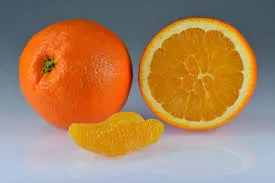
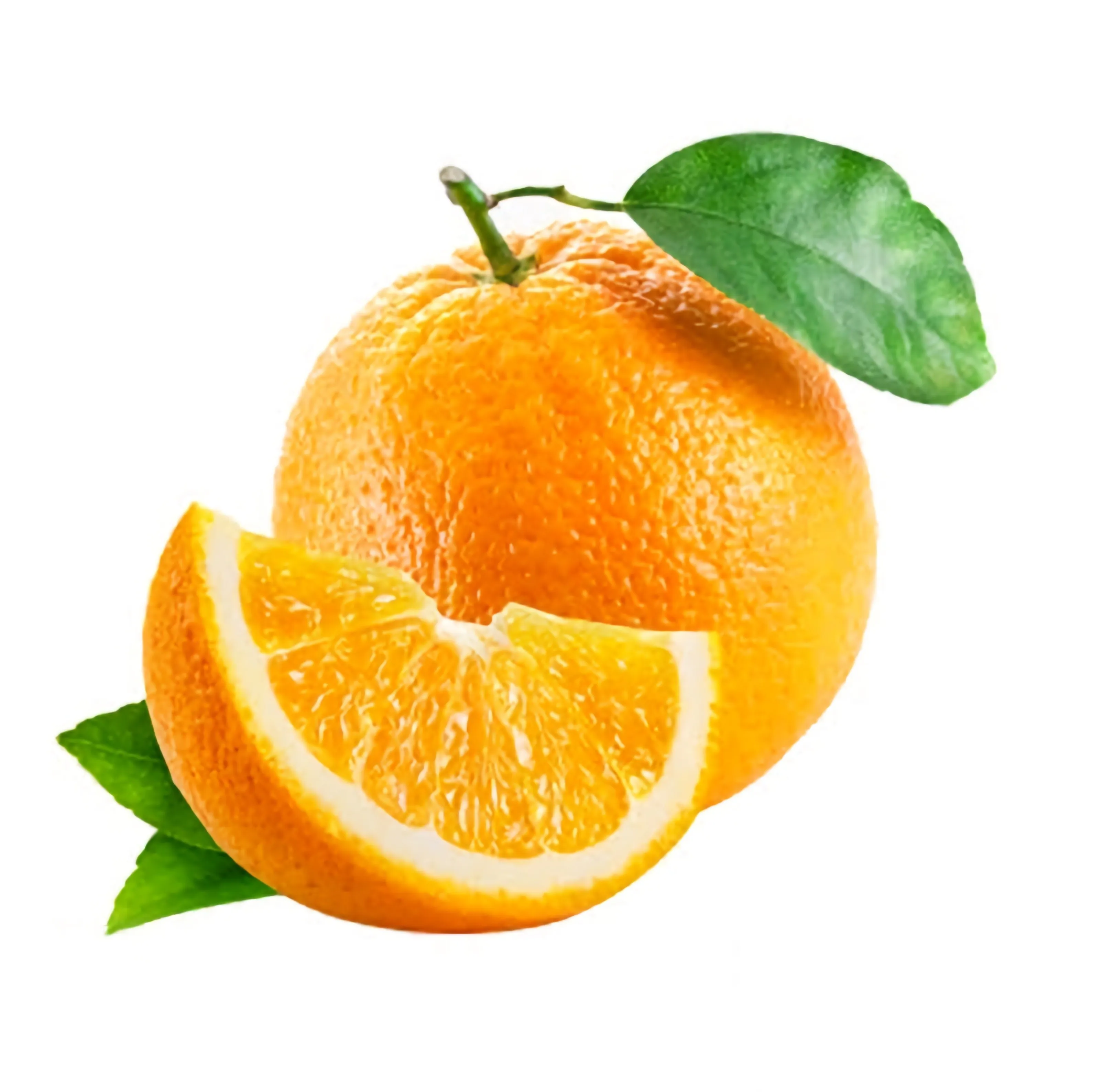
The orange tree is a relatively small evergreen, flowering tree, with an average height of 9 to 10 m (30 to 33 ft), although some very old specimens can reach 15 m (49 ft).[2] Its oval leaves, which are alternately arranged, are 4 to 10 cm (1.6 to 3.9 in) long and have crenulate margins.[3] Sweet oranges grow in a range of different sizes, and shapes varying from spherical to oblong. Inside and attached to the rind is a porous white tissue, the white, bitter mesocarp or albedo (pith).[4] The orange contains a number of distinct carpels (segments or pigs, botanically the fruits) inside, typically about ten, each delimited by a membrane and containing many juice-filled vesicles and usually a few pips. When unripe, the fruit is green. The grainy irregular rind of the ripe fruit can range from bright orange to yellow-orange, but frequently retains green patches or, under warm climate conditions, remains entirely green. Like all other citrus fruits, the sweet orange is non-climacteric, not ripening off the tree. The Citrus sinensis group is subdivided into four classes with distinct characteristics: common oranges, blood or pigmented oranges, navel oranges, and acidless oranges.[5][6][7] The fruit is a hesperidium, a modified berry; it is covered by a rind formed by a rugged thickening of the ovary wall.[8][9]
Login To Review
The orange tree is a relatively small evergreen, flowering tree, with an average height of 9 to 10 m (30 to 33 ft), although some very old specimens can reach 15 m (49 ft).[2] Its oval leaves, which are alternately arranged, are 4 to 10 cm (1.6 to 3.9 in) long and have crenulate margins.[3] Sweet oranges grow in a range of different sizes, and shapes varying from spherical to oblong. Inside and attached to the rind is a porous white tissue, the white, bitter mesocarp or albedo (pith).[4] The orange contains a number of distinct carpels (segments or pigs, botanically the fruits) inside, typically about ten, each delimited by a membrane and containing many juice-filled vesicles and usually a few pips. When unripe, the fruit is green. The grainy irregular rind of the ripe fruit can range from bright orange to yellow-orange, but frequently retains green patches or, under warm climate conditions, remains entirely green. Like all other citrus fruits, the sweet orange is non-climacteric, not ripening off the tree. The Citrus sinensis group is subdivided into four classes with distinct characteristics: common oranges, blood or pigmented oranges, navel oranges, and acidless oranges.[5][6][7] The fruit is a hesperidium, a modified berry; it is covered by a rind formed by a rugged thickening of the ovary wall.[8][9]
Ratings & Reviews
-
No Review Found
Login To Review
Related Products
Out of Stock !
Request Item
Out of Stock !
Out of Stock !
Out of Stock !

0 Item
৳ 0

Ratings & Reviews
No Review Found